
Mold Removal
Removal work addresses visible growth and affected materials after the moisture source has been identified. The scope may include containment, controlled material removal, cleaning, and disposal.
Property Water Recovery
Get a clear recovery plan for unwanted water, with damage assessment, extraction, controlled drying, cleanup, and repair planning focused on protecting your property.
Assess Before Acting
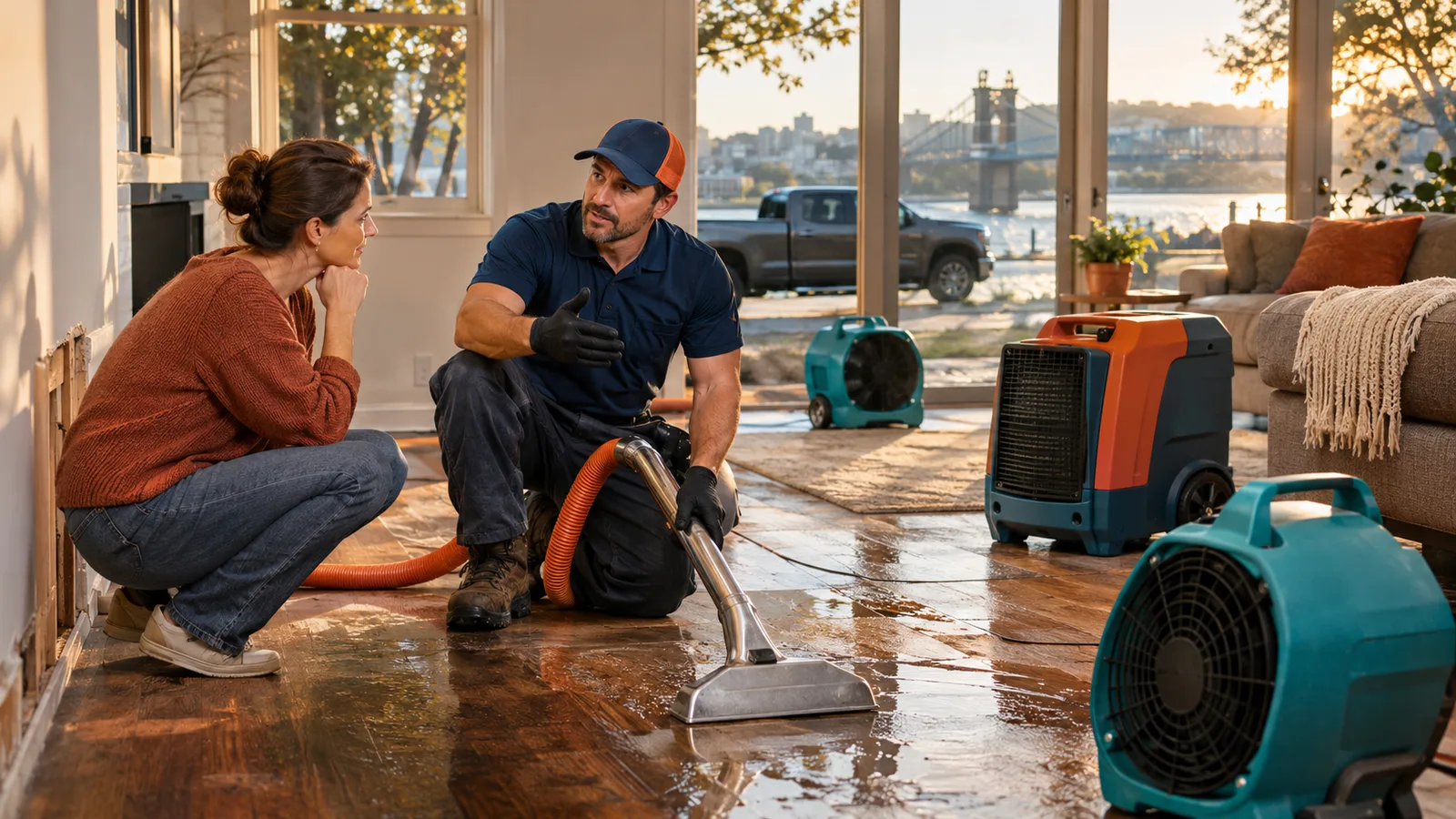
Water restoration Cincinnati Ohio property owners need starts with finding the affected materials and limiting further damage. Water can move beneath flooring, behind baseboards, into wall cavities, and through ceilings before the full extent is visible.
Water Restoration Cincinnati approaches the property as a connected system rather than treating only the obvious wet spot. The work can include identifying the water source, extracting standing water, removing materials that cannot be saved, positioning air movers and dehumidifiers, tracking moisture, cleaning affected surfaces, and planning necessary repairs.
Prompt action matters because drywall, insulation, wood, carpet padding, and cabinetry absorb and hold moisture differently. A sound restoration plan accounts for those differences and uses moisture readings to guide drying decisions. It also records affected areas so owners can understand what requires attention and what may remain in place.
Coordinated Property Care
Removal work addresses visible growth and affected materials after the moisture source has been identified. The scope may include containment, controlled material removal, cleaning, and disposal.
Cleanup and restoration for water-damaged rooms, including extraction, moisture assessment, structural drying, material removal, and planning for repairs.
A structured remediation process controls the work area, removes contaminated materials where needed, cleans remaining surfaces, and addresses the conditions that allowed growth.
Coordinated property recovery for damage that requires assessment, cleanup, drying, removal of unsalvageable materials, and repair planning.
Focused help for leaks, overflows, and other water events, with extraction and drying steps based on the materials and spaces affected.
Describe the affected areas and the conditions you can see.
Request Emergency ServiceConditions That Shape the Work
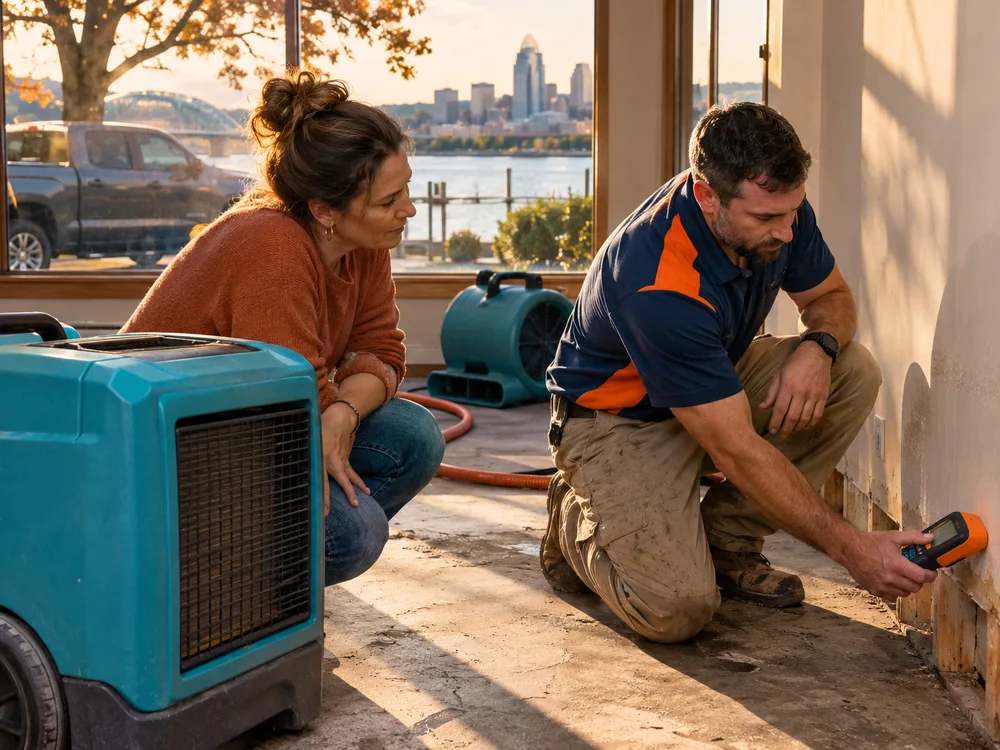
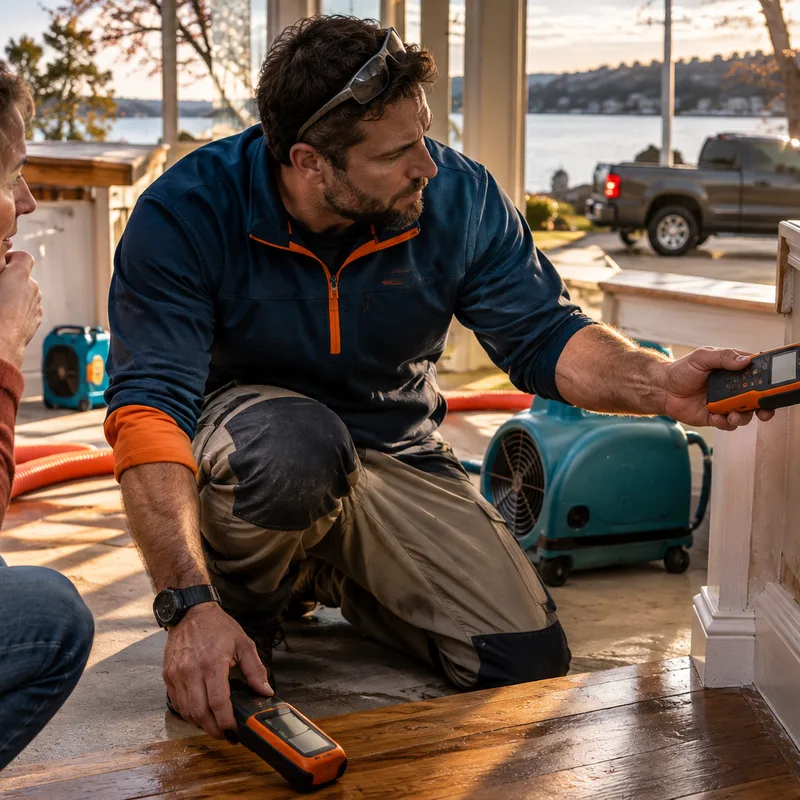
Moisture readings help identify water beneath finished surfaces and in building cavities. That information supports better decisions about drying, selective removal, and which materials can reasonably remain in place.
Air movers promote evaporation while dehumidifiers remove moisture from the air. Equipment placement should reflect room layout, affected materials, temperature, and readings gathered as drying progresses.
Clean water exposure does not affect materials the same way as contaminated water. Porosity, exposure time, physical damage, and sanitary conditions help determine whether an item is cleaned, dried, or removed.
Drying cannot solve an active leak. The water source must be stopped or corrected before restoration can succeed, whether the cause is plumbing, an appliance connection, drainage, or exterior entry.
After damaged material is removed and the structure reaches appropriate moisture conditions, the repair scope can address drywall, trim, flooring, paint, cabinets, or other finishes disturbed by the event.
Residential and Commercial
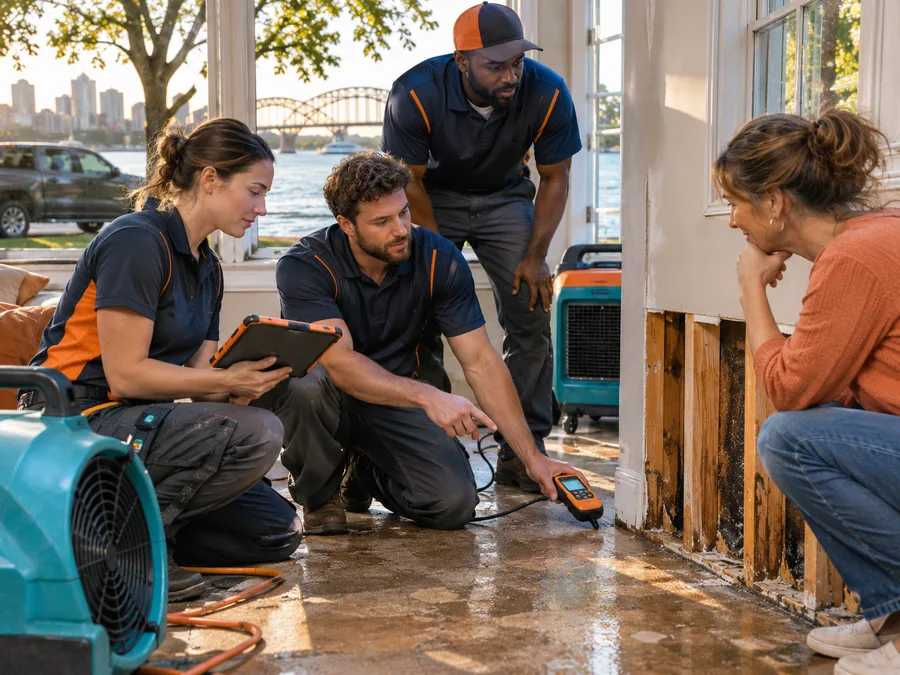
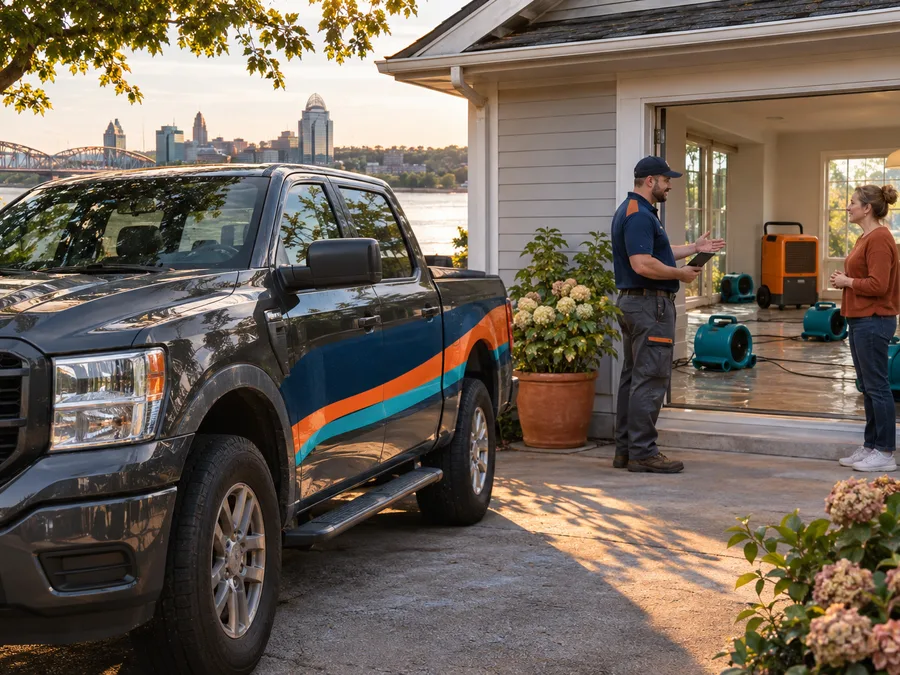
Water Restoration Cincinnati provides water restoration for residential and commercial properties in Cincinnati, Ohio.
The work begins with the conditions found at the property. Water category, affected materials, moisture migration, and the source of the loss all influence the response. These details matter when deciding what can be dried, what should be removed, and where additional inspection is warranted.
Property owners should receive a clear explanation of the affected areas, proposed work, and factors that may change the scope. That practical approach helps owners make informed decisions while the building moves through extraction, drying, cleanup, and repair planning.
Planning the Scope
Water restoration in Cincinnati typically costs about $1,500 to $6,000 for a moderate incident. Limited extraction and drying may run about $800 to $2,500, while extensive damage involving demolition, contaminated water, or several rooms can exceed $10,000.
Final price changes with the water source, affected square footage, material saturation, access, contamination level, equipment needs, drying time, and repairs. Insurance coverage depends on the cause and policy terms. The exact cost is confirmed after an on-site inspection and documented scope.
From Inspection to Repair Planning
Step 1 of 5
The initial inspection identifies the water source, affected rooms, safety concerns, visible damage, and likely moisture migration. Meters may be used to check materials beyond the obvious wet area.
Step 2 of 5
The active source is addressed before standing water is removed. Extraction reduces the amount of moisture that must evaporate and creates better conditions for the next phase.
Step 3 of 5
Materials that cannot be safely or effectively restored are removed as needed. The decision depends on contamination, porosity, deterioration, and whether trapped moisture prevents complete drying.
Step 4 of 5
Air movers and dehumidifiers are positioned for the affected layout. Moisture readings are checked during the process so equipment and drying strategy can be adjusted to actual conditions.
Step 5 of 5
Affected surfaces are cleaned according to the type of loss. Once drying is complete, the remaining repair needs are documented and organized so finishes can be restored.
A fast inspection can clarify where the water traveled, what needs immediate attention, and which materials may still be saved.
Request Emergency ServiceLocal Property Context
Water Restoration Cincinnati works throughout Cincinnati, where building age, terrain, and housing style can shape how water moves and where moisture remains hidden.
Request Emergency ServiceOlder homes and multifamily buildings often contain plaster, wood framing, and finished basements that require careful moisture checks after plumbing or roof leaks.
Large homes, finished lower levels, and detailed interior finishes can make selective extraction, drying, and material protection especially important after a water event.
A mix of older houses, renovated properties, and newer development means assemblies vary, so restoration decisions should follow material-specific readings rather than surface appearance.
Cincinnati's largest neighborhood has varied housing ages and foundation types, making inspection of basements, wall cavities, and floor systems important after unwanted water enters.
Sloped lots and homes with lower-level living areas can require close attention to foundation entry, drainage-related moisture, and concealed wet materials.
Older homes and converted multifamily properties may have layered flooring, plaster walls, and concealed plumbing routes that complicate moisture tracing and controlled drying.
Equipment, Readings, and Drying
Practical Answers
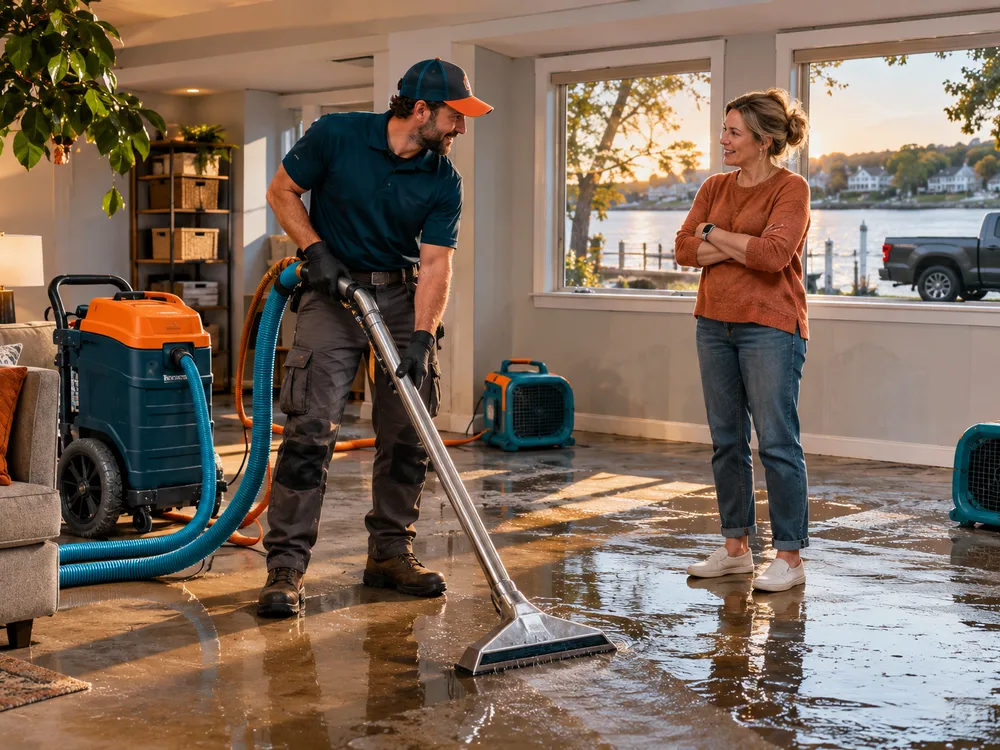
Scheduling depends on current workload, site access, and the conditions at the property. Active leaks, standing water, electrical concerns, and contaminated water should be described when requesting service so the situation can be assessed properly.
Provide the property type, affected rooms, suspected source, when the water was discovered, and whether water is still entering. Mention visible ceiling damage, wet electrical components, sewage, or sagging materials because these conditions can affect safe access.
That decision is made after examining the material, water category, exposure, deterioration, and moisture readings. Some materials can be dried in place, while contaminated, swollen, delaminated, or inaccessible materials may require removal.
You can report the loss promptly while taking reasonable steps to prevent additional damage. Coverage varies by cause and policy, so preserve photos, receipts, and work records, and ask your insurer how it wants the claim documented.
Yes. Water Restoration Cincinnati provides water restoration for residential and commercial properties in Cincinnati. Building use, access, occupied areas, flooring systems, and mechanical equipment all influence the inspection and work plan.
Stop the water source if it is safe, avoid standing water near electrical equipment, and keep people away from sagging ceilings or contaminated areas. Do not enter any space where structural or electrical safety is uncertain.
Start With a Clear Assessment
Describe what happened and where the water is visible. Water Restoration Cincinnati can assess the affected materials and outline the next steps for extraction, drying, cleanup, and repairs.